

Do not make the same mistake in Rome that I did. I underestimated how busy the city’s biggest sights would be and did not book our tickets in time. We spent far too much time standing in queues and nearly missed the Sistine Chapel altogether. You can do it better than I did: reserve the Vatican Museums and the Colosseum before you travel (find the best ways below).
Three days in Rome is enough for a memorable first visit if you give each of the city’s three big areas its own day. This tried-and-tested Rome itinerary covers the historic centre and Trastevere, Vatican City, then the Colosseum, Roman Forum and Palatine Hill.
It also leaves time for coffee, gelato and simply looking around, instead of turning the trip into a race between ticket barriers. Below I have included the practical lessons we learnt on our own trips, including where we stayed, the free audio guide I use and why I now take pickpocketing precautions very seriously.
💡 Use my detailed guides before booking: read how to handle Vatican tickets and entrances, avoid our Colosseum ticket and queue mistake, and check whether Roma Pass 2027 is worth it for your own itinerary.
Also useful: compare Rome airports and choose where to stay in Rome before you finalise the itinerary.
3 days in Rome at a glance
| Day | Morning | Afternoon and evening |
|---|---|---|
| Day 1 | Piazza Venezia, Trevi Fountain and Spanish Steps | Pantheon, Piazza Navona, Campo de’ Fiori and Trastevere |
| Day 2 | St Peter’s Basilica and dome | Vatican Museums and Sistine Chapel |
| Day 3 | Colosseum | Roman Forum, Palatine Hill and a relaxed dinner |
If you prefer a slower pace, keep the same geographical order but drop one ticketed attraction. Families may want to replace part of Day 3 with Villa Borghese and Bioparco di Roma. Travellers with a fourth day can add Tivoli, Ostia Antica or the seaside at Lido di Ostia.

What to book before visiting Rome
- Vatican Museums and the Sistine Chapel: book a timed entry as early as you can. If standard admission has sold out, a guided tour may still be available. Check Vatican Museums tickets here.
- Colosseum: timed tickets are released 30 days before the visit. A reservation saves the ticket-office queue, but everyone still passes through security. See this Colosseum, Roman Forum and Palatine Hill option.
- Accommodation: rooms in convenient central areas can disappear quickly in spring, autumn and around Easter. Compare places to stay in Rome.
- Galleria Borghese: capacity is limited, so do not leave this booking until the day of your visit.
- St Peter’s dome: the basilica itself is free, but the dome is ticketed and can be booked online.
Rome free audio guide
My favourite free preparation tip is the Rick Steves Audio Europe app. It is in English and the Rome tracks are free. Download them before the trip. The city contains so many layers of history that an audio guide makes a huge difference when an unlabelled ruin would otherwise look like a collection of stones.
When to visit Rome
April to October brings the largest crowds, while midsummer heat makes a walking-heavy itinerary harder than it looks on a map. January is worth considering if low crowd levels matter more to you than long, bright evenings. Spring and autumn are comfortable, but they are not secret low seasons, so book accommodation and headline attractions early.
Do not rely on a general rule that Rome closes on Sundays or Mondays. Each museum, church and archaeological site follows its own calendar, and religious holidays can change access. Check the official page of every priority sight shortly before you travel.
Are there any special events in Rome in 2027?
At the time of this update, no city-wide 2027 programme comparable with the 2025 Jubilee has been announced on Rome’s official visitor channels. Individual calendars and attraction opening times for later in 2027 are still being published, so check them again for your exact dates. One confirmed event is the Italy Sail Grand Prix at Ostia on 11 and 12 September 2027. If you plan a beach trip or accommodation near Ostia that weekend, book early and allow extra time for transport. The event programme may still change.
Getting from Fiumicino Airport to Rome
The simplest fast option from Fiumicino is the Leonardo Express. It runs directly to Roma Termini in 32 minutes and costs EUR 14. The regional FL1 train is useful if your accommodation is near Ostiense, Tuscolana or Tiburtina, but it does not serve Termini. Buses can cost less, although traffic makes their journey time less predictable.
If you plan to continue beyond Rome, for example to Sperlonga, compare public transport with the cost and hassle of driving. We hired a car for a few days by the sea, but I would not keep one for the central Rome part of this itinerary. If a car fits your wider route, compare car hire with Discover Cars and pay particular attention to insurance, customer reviews, the deposit and the rules for entering restricted traffic zones.
How to get around Rome
Rome has metro lines A, B/B1 and C, plus buses and trams. A BIT ticket costs EUR 1.50 and lasts 100 minutes, including one metro journey under the network’s transfer rules. Roma 24H costs EUR 8.50, so it only starts to beat individual BIT tickets at about six journeys. Most of this three-day route is better on foot, with public transport used for the longer jumps.
Validate or activate your ticket correctly before travelling. Children under 10 can use the ATAC network free when accompanied by a fare-paying adult. Rules for airport trains are different, so check the operator’s child fares rather than assuming the city policy applies.
You can also use ATAC’s contactless Tap&Go system. Always tap with the same physical card or device so the fare cap can be calculated correctly. Each passenger needs a separate card or device: one bank card cannot be used to pay for several people travelling together.
Where to stay for a first trip to Rome
There is no single perfect area. Choose according to the part of the trip you most want to simplify:
- Historic centre: best for walking to the Trevi Fountain, Pantheon and Piazza Navona, but usually expensive and busy.
- Near the Colosseum: convenient for an early archaeological-site booking. We stayed in a studio three minutes from the Colosseum and loved being able to start before the busiest part of the day.
- Termini: practical for airport connections and transport, although the feel varies street by street.
- Prati or the Vatican: useful for an early start at St Peter’s Basilica or the Vatican Museums.
- Trastevere: atmospheric for evenings and restaurants, with fewer metro connections.
Budget travellers can also investigate religious guest houses through Ospitalita Religiosa. Expect a quieter stay and check curfews and facilities carefully. Wherever you book, Italian accommodation providers must register guests and may ask for passport or ID details. Be cautious with unexpected payment messages and verify requests inside the official booking platform.
Day 1: historic Rome and Trastevere
Begin at Piazza Venezia and the Capitoline Hill, then walk towards the Trevi Fountain. Starting early gives you quieter streets and better photographs. The fountain’s outer viewing area remains free, but entry to the controlled inner area costs EUR 2 for non-residents. Paid access begins at 11:30 on Mondays and Fridays and at 09:00 on other days. It closes at 22:00, with last entry at 21:00. Children under six enter free.
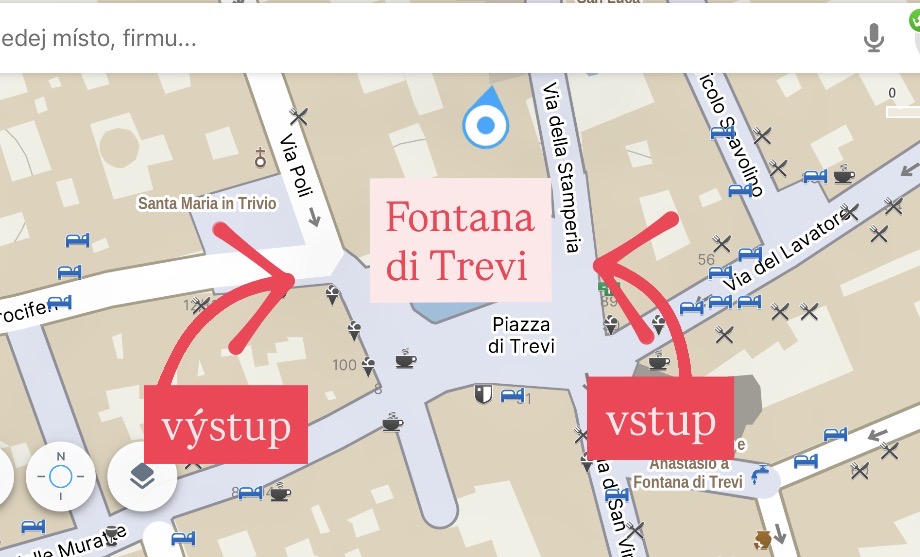
The entrance is from Via della Stamperia and the exit leads towards Via dei Crociferi. Pushchairs cannot go down the steps into the inner area. The rules and opening times can change, so verify them on the official Trevi Fountain website for your dates.
Continue to the Spanish Steps, then the Pantheon. Standard full admission to the Pantheon is EUR 7, while worship remains free and other exemptions apply. Check the official Pantheon information before visiting.
From there, walk through Piazza Navona and Via dei Coronari to Campo de’ Fiori. Avoid choosing gelato purely because it sits beside a famous monument. We once saw an eye-watering price of about EUR 15 near the Pantheon. Check the displayed price before ordering.
Cross the Tiber via Ponte Fabricio and finish in Trastevere. The neighbourhood is particularly enjoyable at dinner time, but popular restaurants fill up. Reserve a table or be prepared to wait. This first day is intentionally a walking day, so wear comfortable shoes and refill your bottle at Rome’s public drinking fountains.
Day 2: Vatican City
Go to St Peter’s Basilica early. Entry to the basilica is free, but security screening is compulsory and queues grow quickly. On our visit, arriving early meant a wait of only about ten minutes. Treat that as our experience, not a promise, because crowd levels vary.
The dome is paid and can be booked online. The lift does not carry you all the way to the top: even after using it, 320 steps remain. The climb is narrow in places, but the view over St Peter’s Square is a wonderful reward. Check access and current tickets on the official basilica website.
Move on to the Vatican Museums for your booked time. Standard 2026 opening is Monday to Saturday from 08:00 to 20:00, with last entry at 18:00. On the last Sunday of most months, admission is free from 09:00 to 14:00, with last entry at 12:30, unless that date falls on an excluded holiday. Free Sunday is attractive for the budget, but it is usually extremely busy. Confirm the calendar on the official Vatican Museums website.
Important Vatican planning detail: the Vatican Museums and St Peter’s Basilica are separate visits with different entrances and security queues. Independent visitors should not build their day around the shortcut from the Sistine Chapel into the basilica, as access is generally controlled for eligible guided groups. Dress with shoulders and knees covered, and travel light. Large bags must be left in the Vatican Museums cloakroom, while St Peter’s Basilica has no cloakroom, so do not leave luggage at the museums if you intend to continue to the basilica afterwards.

A timed online ticket avoids the ticket-purchase queue, not security. Inside, allow several hours for the galleries and the Sistine Chapel. The route is long and crowded, so do not schedule another major museum immediately afterwards.
Day 3: Colosseum, Roman Forum and Palatine Hill
Book the Colosseum for the morning. It opens at 08:30 and entry is tied to a specific time. Tickets normally go on sale 30 days ahead. Tickets are issued in the visitor’s name, so enter the details carefully and carry the corresponding identity document. Seeing the amphitheatre from the outside is impressive, but I think the interior is worth paying for on a first visit.

Continue into the Roman Forum and up Palatine Hill. Take a map or audio guide. Without context, the huge area can feel like a confusing spread of columns and fallen stones; with a guide, the political and domestic centre of ancient Rome becomes much easier to understand. Besides Rick Steves, the official free MyColosseum app offers an interactive audio guide in English and Italian. Bring water, sun protection and shoes with a good grip.
A standard ticket allows one entry to the Colosseum. Roma Pass does not mean that you can enter the Colosseum twice, and a timed reservation is still required. Roma Pass 72 Hours includes the first two participating museums or archaeological sites plus city public transport, but not travel from Fiumicino Airport. Compare its current price with the exact attractions and journeys in your plan before buying. If it fits, check the Roma Pass 72 Hours here.

Free things to do in Rome
- Enter many of Rome’s churches, including St Peter’s Basilica, for free.
- See the Trevi Fountain from the outer viewing area without paying.
- Visit the Vatican Museums free on the last Sunday of most months, subject to the official calendar and reduced opening hours.
- Visit the Colosseum and participating Italian state museums free on the first Sunday of the month, following the current ticket procedure.
- Let children under 10 travel free on ATAC city transport when accompanied by a fare-paying adult.
- Refill your bottle at the city’s public drinking fountains.
- Enjoy viewpoints, squares, neighbourhood walks and the atmosphere around the monuments without buying a ticket.
The Pantheon is not generally free. Full admission is EUR 7, although visitors under 18, Rome residents, first-Sunday visitors and some other groups qualify for free entry. Attendance at religious services also remains free.
Food and drink without overspending
For cheaper sit-down food, look for a trattoria or osteria rather than assuming every restaurant beside a landmark will be good value. We ate well at Trattoria Luzzi, near the Colosseum on Via di San Giovanni in Laterano 88. The prices from our visit may have changed, so read the current menu before ordering. Two Sizes is another personal tip, this time for tiramisu.

Pizza sold by weight is useful for a quick lunch, but ask or check the price before the server cuts a large piece. For coffee, remember that ordering latte in Italian means milk. Trastevere and Campo de’ Fiori offer plenty of evening choices, while supermarkets such as Carrefour and Despar are handy for picnic supplies and breakfast.
Pickpockets in Rome: my experience
My wallet was stolen in Rome. I reported it to the police, which mattered because the police report supported my insurance claim. My bank’s card insurance then covered much of the cost of replacing my documents. Since then, I never keep valuables in a back pocket, an easy-to-open backpack or an outer coat pocket.
Be particularly alert on crowded public transport and around the main attractions. Keep café bags on your lap or secured in front of you, not on the ground or over the back of a chair. If something is stolen, block payment cards immediately and make a police report for your records and insurer.
If you have more than 3 days in Rome
- Villa Borghese: combine the park with the Galleria Borghese, a rowing boat on the small lake or Bioparco di Roma for children.
- Tivoli: take a day trip for Villa d’Este and its fountains. It deserves more time than squeezing it into a central Rome day.
- Lido di Ostia: add some sea air, especially if your onward journey takes you towards Fiumicino Airport.
- Sperlonga: a lovely option for several days by the sea. We combined it with Rome and hired a car for that part of the trip.
- A special evening: consider a Rome by night Vespa experience if you want a memorable gift or celebration.
Rome trip checklist
- Book the Vatican Museums and Colosseum.
- Choose accommodation that suits your first morning and airport connection.
- Check official opening times for your dates.
- Download offline maps and an English audio guide.
- Pack comfortable shoes and a refillable water bottle.
- Arrange travel insurance and save its contact details.
- Use a secure, closed bag and keep cards in more than one place.
- Decide whether Roma Pass matches your actual plan rather than buying it automatically.
Frequently asked questions about 3 days in Rome
Is 3 days enough for Rome?
Yes, three full days are enough for a first visit covering the historic centre, Vatican City, the Colosseum, Roman Forum and Trastevere. You will not see everything, so keep the three main areas on separate days and pre-book the two busiest attractions.
What is the best order for a 3-day Rome itinerary?
Use Day 1 for the historic centre and Trastevere, Day 2 for Vatican City and Day 3 for the Colosseum, Roman Forum and Palatine Hill. This limits backtracking and separates the most demanding ticketed sights.
Where should a first-time visitor stay in Rome?
The historic centre is best for walking, the Colosseum area for ancient Rome, Termini for transport, Prati for the Vatican and Trastevere for evenings. Pick the area that makes your earliest planned start easiest.
Do I need a Roma Pass for three days?
Not necessarily. Add the current admission prices of your chosen sights and estimate how many city-transport journeys you will take. Roma Pass does not cover Fiumicino Airport transport and does not allow repeat entry to the Colosseum.
Can I visit the Trevi Fountain for free?
Yes, the fountain can be viewed from the outer area for free. The controlled inner area costs EUR 2 for non-residents during paid opening hours, with exemptions including children under six.
Should I visit the Vatican and Colosseum on the same day?
I would not recommend it for a first trip. Both involve timed entry, security and a lot of walking. Putting them on separate days makes delays less stressful and gives you time to enjoy what you paid to see.
Is Rome walkable?
Central Rome is very walkable, but the surfaces can be uneven and the distances add up. Use the metro, bus or tram for the longer links, then explore each compact area on foot.
Read next: Malta · Málaga · Alicante

I started travelling after finishing secondary school in 2005. Since then, I have studied in New Zealand and lived in Malta, Madeira, Brittany and Porto. I speak English and French, some Portuguese and very basic Chinese. I travel with hand luggage only and used to stay through Couchsurfing; these days, I use HomeExchange. I travel with my two children. Professionally, I am an agile coach, and I also perform improvisational theatre. Read more about me and my work as a Czech travel influencer.